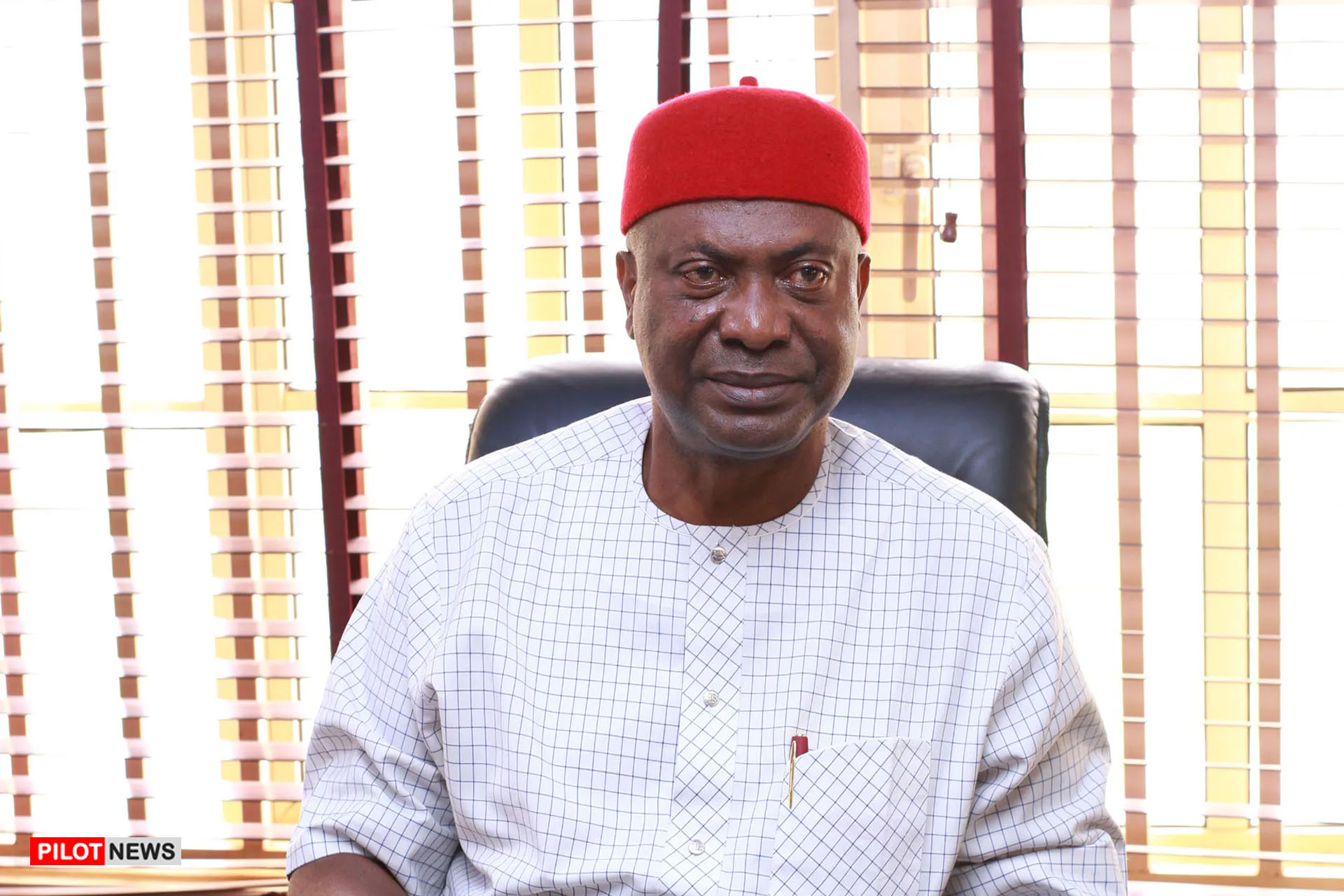
Henry Ikoh, a former Minister of Science and Technology, has characterized Nigeria’s now-defunct fuel subsidy program as a significant financial impropriety, alleging it disproportionately benefited a small number of individuals at the expense of the wider population. He commended President Bola Ahmed Tinubu’s recent decision to eliminate the subsidy, describing it as a positive step towards economic improvement for states across the country.
Ikoh made these statements while reflecting on the economic implications of the subsidy removal, a policy shift that has sparked considerable debate since its implementation in May 2023. The former minister’s assessment adds to the ongoing discussion surrounding the long-term effects of the policy and the previous administration’s handling of fuel subsidies.
Assessment of the Fuel Subsidy Regime
Ikoh asserted that the fuel subsidy system was fundamentally flawed, enabling widespread corruption and misallocation of resources. He stated that the program, intended to alleviate the burden of fuel costs on citizens, instead became a vehicle for illicit enrichment. According to the former minister, the benefits of the subsidy were not reaching those who needed them most, and the financial strain on the national budget was unsustainable.
The fuel subsidy in Nigeria has been a contentious issue for decades. Successive governments have struggled to manage the program effectively, facing challenges such as smuggling, inflated claims, and a lack of transparency. The ₦4 trillion allocated to fuel subsidies in 2022 alone highlighted the immense financial burden it placed on the nation’s economy. Previous attempts to reform the system were met with resistance from various stakeholders, including labour unions and transportation companies.
Praise for Tinubu’s Policy Shift
President Tinubu’s administration removed the fuel subsidy on May 29, 2023, as part of a broader set of economic reforms aimed at stabilizing the national finances and attracting investment. The decision immediately led to a significant increase in petrol prices, prompting protests and concerns about the impact on vulnerable populations. However, Ikoh believes the short-term pain will be outweighed by the long-term benefits.
“The fuel subsidy was a monumental scam. It was a system designed to benefit a few at the expense of the many. President Tinubu should be commended for having the courage to dismantle it,” Ikoh stated.
The removal of the subsidy is expected to free up substantial funds for investment in other critical sectors, such as education, healthcare, and infrastructure. The Nigerian National Petroleum Corporation (NNPC) has reported significant savings since the policy change, and the government is exploring ways to mitigate the impact of higher fuel prices on low-income households through targeted social programs. The long-term success of the policy will depend on effective implementation and a commitment to transparency and accountability.
The debate surrounding the fuel subsidy removal is likely to continue as the full effects of the policy become apparent. However, Henry Ikoh’s endorsement of President Tinubu’s decision underscores the growing consensus that the previous system was unsustainable and detrimental to the nation’s economic progress. The government is now focused on navigating the challenges of a post-subsidy era and ensuring that the benefits of economic reform are shared by all Nigerians.