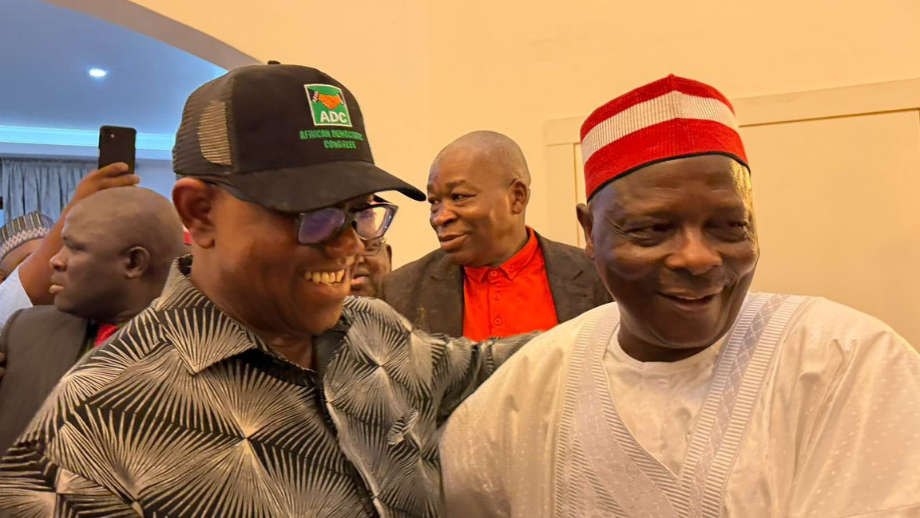
In the evolving landscape of Nigerian politics, the upcoming elections present a critical juncture where alliances and rivalries will shape the nation's trajectory. Leaders and stakeholders across parties are actively consolidating support, reflecting a collective determination to present a unified opposition front against the ruling political entity. This situation underscores the heightened stakes of the forthcoming events, as internal dynamics within opposition groups and external pressures demand careful navigation. The implications of these developments extend beyond immediate electoral outcomes, influencing broader societal expectations and potential shifts in policy priorities.
Key Controversies Defining the Scenario The opposition's coordinated efforts highlight a complex web of tensions within party structures. Internal disputes persist among factions, complicating the formation of a cohesive strategy. While some members advocate for pragmatic compromises, others prioritize maintaining distinct identities. These conflicts are further exacerbated by differing visions regarding electoral tactics and voter engagement. Such divisions pose challenges to achieving a unified message, even as external pressures push for rapid mobilization. The resulting uncertainty requires meticulous coordination to ensure consistency across all platforms.
Strategic Alignments and Internal Challenges
Amidst these challenges, several parties are reinforcing their positions through strategic partnerships and resource allocation. The Social Democratic Party (SDP) and New Nigeria Peoples Party (NNPP) emphasize their commitment to supporting credible candidates, leveraging their historical influence to bolster grassroots support. Conversely, the African Democratic Congress (ADC) maintains a cautious approach, focusing on maintaining its distinct identity while adapting to the evolving landscape. These strategies reflect a delicate balance between maintaining stability and addressing pressing concerns.
Stakeholder Interactions and Public Perception
Public opinion plays a pivotal role in shaping the opposition's approach. While supporters view the unified stance as a strength, some segments remain skeptical about the feasibility of such collaboration. Media outlets amplify these debates, ensuring that the narrative remains central to discussions. Additionally, external actors monitor the situation closely, anticipating potential impacts on regional stability and economic conditions. Such dynamics necessitate a responsive communication strategy to address concerns effectively.
Further Analysis of Regional Dynamics Regional disparities continue to influence the opposition's strategies, with northern and southern factions sometimes aligning differently despite shared opposition to the APC. Local leaders emphasize the need for tailored approaches to resonate with specific communities. This regional segmentation complicates the formation of a truly unified front, requiring careful attention to localized needs and expectations. The interplay between central and regional interests adds another layer of complexity to the situation.
Closing Considerations and Future Implications As the situation unfolds, the opposition must remain vigilant in monitoring developments that could alter the electoral landscape. Success in this phase could set a precedent for future political engagements. Furthermore, the long-term consequences of these decisions may extend beyond the immediate elections, impacting governance structures and policy implementations. Continued attention is necessary to ensure alignment with national priorities and stakeholder expectations.