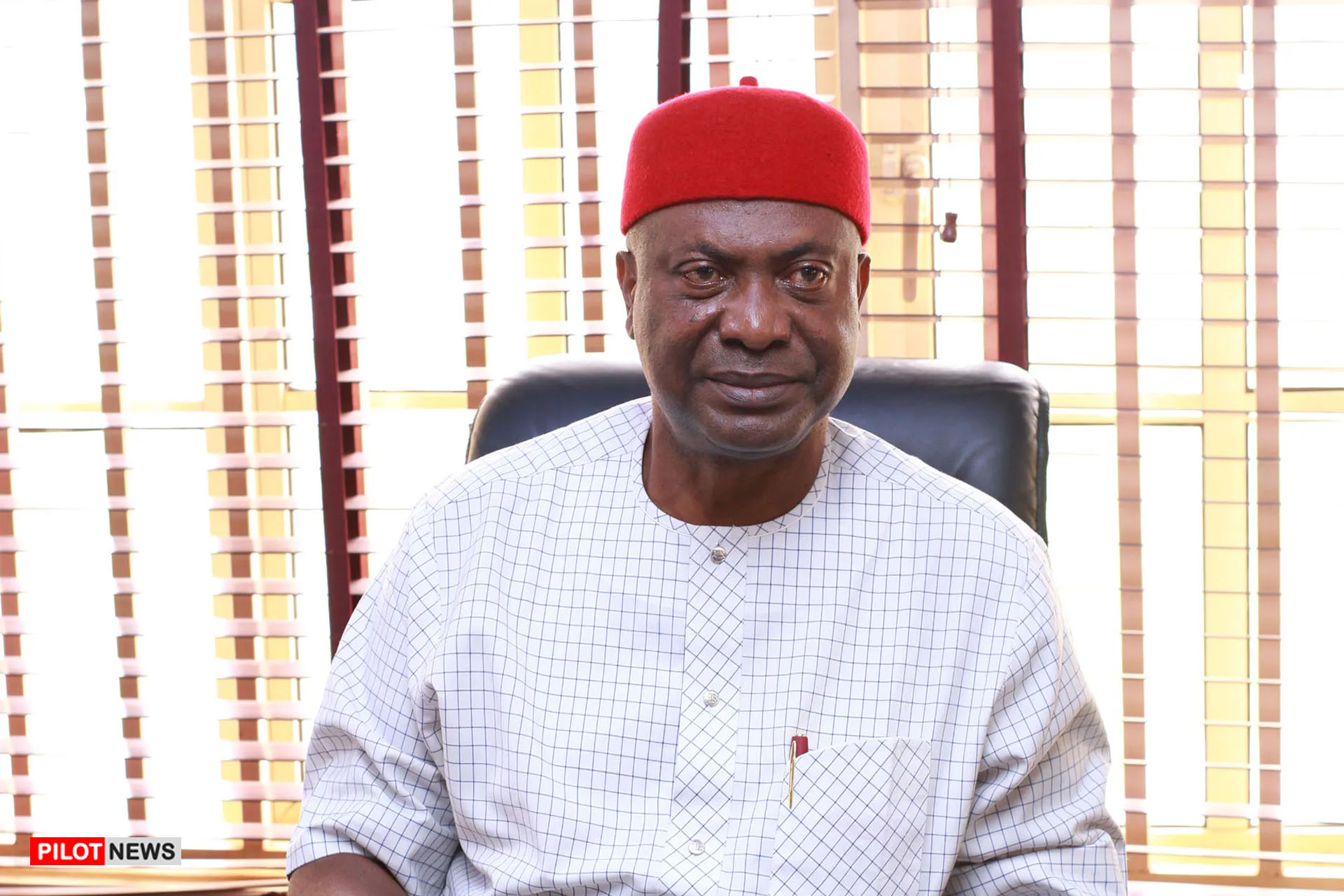
In a recent development that underscores the evolving landscape of political accountability in Nigeria, Justice Ayo Salami has been firmly positioned on the side of legal clarity regarding the eligibility of candidates in the 2023 presidential elections. The former appeal court president made this statement during a press briefing held at his residence in Ilorin, the capital of Kwara State. His remarks came as attention focused on the broader implications for independent candidates and the integrity of electoral processes.
Salami emphasized that the former Anambra State governor should not have been permitted to contest under the Labour Party (LP) platform. By the time Obi departed from the People’s Democratic Party (PDP) primary, the party had already submitted its candidate list to the Independent National Electoral Commission (INEC). This information highlights the importance of procedural adherence in election campaigns.
The former judge reiterated that the constitution prohibits independent candidates, and Obi’s eligibility was thus compromised. He further pointed out that the situation mirrored that of a governor from Kano State, who had recently defected to the All Progressives Congress (APC). Despite not being listed among the NNPP members, this individual received a membership card, raising concerns about the accuracy of registration records. Such discrepancies, the judge noted, are a matter of judicial competence and accountability.
Salami’s criticism extended to the performance of some judges, who he described as lacking proper training and expertise. He expressed concern over the implications of these incompetencies, stating that they could potentially lead to wrongful judgments. His comments underscored a broader call for judicial reform and the need for enhanced professional standards within the legal system.
In a separate development, the National Justice Commission has taken steps to address concerns surrounding the appointment of Justice Salami. The court has ruled against a case that sought to reinstate his position as the head of the Corruption Monitoring Committee, citing procedural and legal challenges. This decision reflects the judiciary’s commitment to maintaining transparency and fairness in appointments.
Moreover, the judicial body has called for a thorough examination of the circumstances surrounding Obi’s exclusion from the 2023 polls. Legal experts suggest that the outcome may set a precedent for future electoral contests, emphasizing the necessity of adherence to constitutional norms. This ruling is expected to influence the strategies of political actors moving forward.
The implications of these events extend beyond the immediate legal rulings. They highlight the ongoing challenges faced by Nigeria’s electoral framework and the critical role of independent institutions in safeguarding democratic processes. As the nation continues to navigate these complexities, the voices of justice professionals remain pivotal in shaping a more equitable system.
Lead Paragraph
The recent statements from Justice Ayo Salami reflect a clear stance on electoral integrity, emphasizing the need for strict adherence to constitutional guidelines. This position not only addresses specific cases but also signals a broader commitment to transparency within Nigeria’s judicial and political institutions.
Detailed Analysis
Salami’s assertion that Peter Obi should not have been allowed to contest in the 2023 elections underscores the significance of procedural timing. By the moment Obi left the PDP primary, the Labour Party had already submitted its candidate list to INEC. This timing raised critical questions about the validity of his participation, highlighting the importance of timely submissions in electoral fairness.
Furthermore, the judge’s comparison with the Kano State governor who defected to the APC illustrates the recurring challenges of maintaining accurate candidate registrations. The issue of identity verification and registration accuracy remains a pressing concern for electoral authorities across the country. Such cases reinforce the necessity of robust oversight mechanisms.
The critique extended to the performance of certain judges, who Salami labeled as lacking sufficient training and expertise. His remarks brought to light a systemic issue—many judges may not possess the necessary qualifications to deliver sound judgments. This observation calls for a reevaluation of judicial education and certification processes.
Contextual Insights
As the political landscape in Nigeria continues to shift, the actions of figures like Justice Salami serve as reminders of the balance between legal principles and political realities. The decisions made by the courts are not merely procedural but carry significant weight in shaping the future of electoral participation.
Additionally, the court’s decision to strike out a case against Salami’s reinstatement emphasizes the judiciary’s role in ensuring that appointments align with legal standards. This ruling could influence how other candidates navigate similar challenges in the coming elections.
Closing Remarks
The broader significance of these developments lies in their potential to reinforce the rule of law and discourage arbitrary actions by political actors. As Nigeria moves forward, the collective efforts of journalists, legal professionals, and citizens will be crucial in upholding these principles.